How to Read Casino-Style Entertainment in Cầu Giấy
Understand casino-style entertainment in Cầu Giấy by separating screen-inspired atmosphere from actual activities, and make clearer leisure plans.
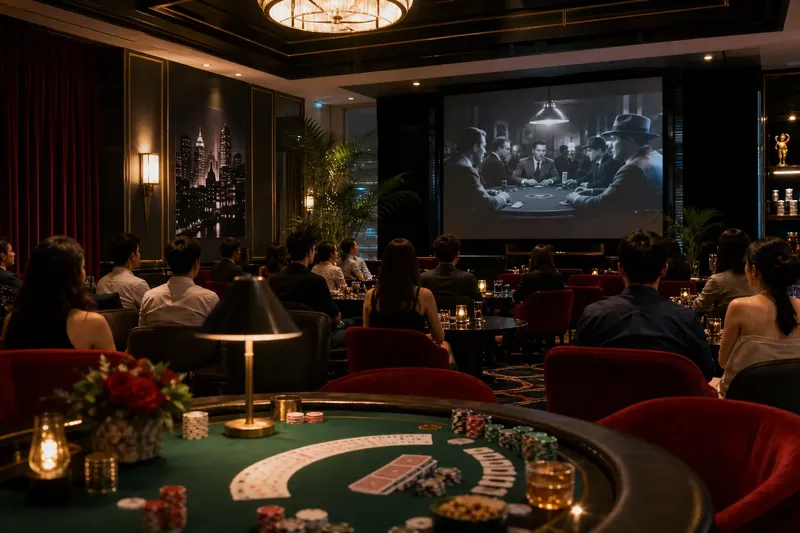
What does “casino-style entertainment in Cầu Giấy” actually promise: an evening with games, a screen-inspired atmosphere or simply a social outing? The phrase can suggest all three, so look for the activity the wording names rather than relying on its mood.
Casino culture reaches many people through films, television and games long before they encounter a casino-themed event. That familiarity gives the phrase a vivid feel, but screen portrayals and real leisure offers are different things. Reading the wording carefully helps you choose an outing that matches what you want to do.
Screen language
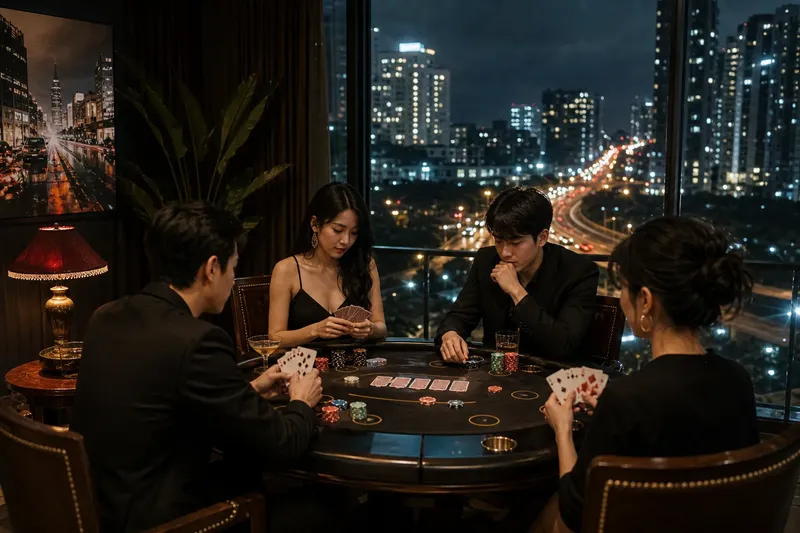
Casino scenes often use visual shorthand: green baize, playing cards, bright signs, polished clothes and a sense of suspense. In a film, those details build a setting or signal a character’s ambition. In a leisure listing, similar words may refer only to décor or dress.
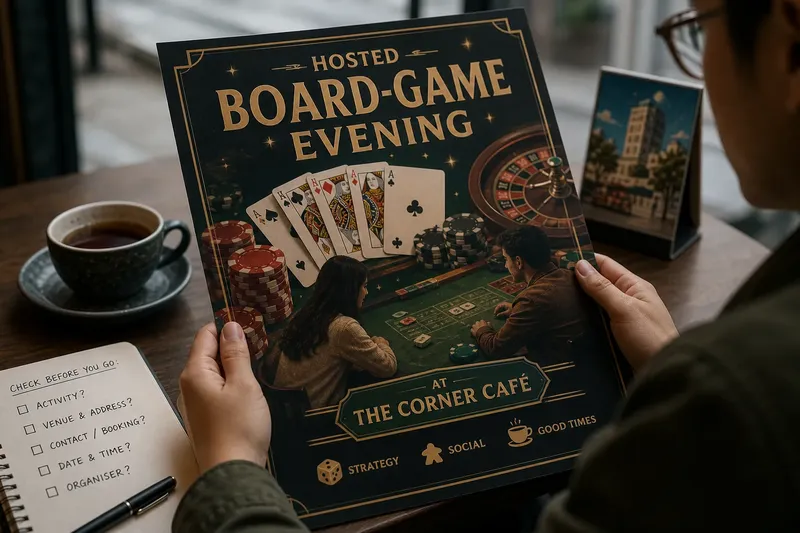
Notice the difference between a reference and an activity. “Inspired by classic casino films” points towards a style. “Card-game session” names something participants may do, though you would still need the listing to explain the format and conditions.
Words such as “glamorous”, “high-roller” or “noir” can help describe an aesthetic. They do not tell you whether an event includes a performance, a game, food or music. Treat them as clues about tone, not a programme.
Leisure choices
In Cầu Giấy, a casino-style evening may be one option among familiar leisure plans: meeting friends for dinner, going to a film, listening to live music or attending a themed gathering. Compare the stated activity with the kind of evening you want, rather than assuming the casino label settles the choice.
A film night may centre on watching a story; a themed gathering may centre on costumes, décor or conversation. An event listing should name the activity if it wants readers to know what they will be doing. If the description offers atmosphere but leaves the programme open, ask before making plans.
For example, if you want a quiet dinner, a listing that names a meal and a themed room may fit better than one that promises an unspecified “casino experience”. If you want a structured group activity, look for the activity itself, the participation details and any stated conditions.
Check the wording?
Does a casino theme mean games?
No; “casino-themed” may refer to styling, costumes or a setting. Look for a separate description of any games or other activities.
What does “casino-inspired” describe?
It usually signals a reference to casino imagery or atmosphere, not a complete programme. Check the rest of the description for named services and activities.
How do I compare an event with a film night?
Look at what you will actually do: watch a screening, join a stated activity or attend a social gathering. If the listing does not make that clear, ask the organiser before deciding.
Which details should I confirm?
Confirm the programme, what is included, who may attend and any conditions that affect your plans. For legal or access questions, consult current local information or a qualified professional where needed.
Useful wording checks
Read the description for concrete details, then decide what to do if each detail is missing or ambiguous:
- Named activity: Check whether the listing says what visitors will do. If it names an activity, compare it with your plans; if not, ask for the programme before choosing.
- Screen reference: Check whether a film or television reference describes the theme or a scheduled screening. If a screening is named, check its details; if only the influence is named, treat it as atmosphere and ask what else is planned.
- Games: Check whether the listing names the games and explains participation. If it does, read those conditions; if it does not, ask what “games” means or choose an outing with a clearer description.
- Food and drink: Check whether a meal or refreshments are specifically included. If they are, confirm any relevant options; if not, plan to arrange them separately or ask the organiser.
- Event programme: Check for a schedule or a clear account of activities. If one is provided, decide whether it suits your evening; if not, request the programme or keep your plans flexible.
- Access conditions: Check who may attend and whether any booking or entry conditions are stated. If the wording answers your question, follow it; if it does not, ask the organiser or consult current local guidance.
A worked reading
Say you and a friend are considering an invented Cầu Giấy listing called “Classic Casino Film Evening”. Your starting information is the title, a description of card-table décor and a note that the gathering runs for one evening; it names no screening, games or meal.
You want to watch a film, so you send one question: “Is a film screening included, and what else is planned?” Imagine the organiser replies that the event includes a screening and a short discussion, but no games or meal. Your resulting decision is clear: choose it if watching and discussing a film suits you; if you wanted to play games or have dinner included, ask about those separately or pick another plan.
The wording you can now use is “a film screening with a discussion in a casino-inspired setting”. That description keeps the atmosphere and the confirmed activities distinct, without turning the title into a promise of something else.
Describe the evening
When you tell a friend about a listing, lead with what it says people will do: watch a screening, attend a performance, share a meal or join a named activity. Add “casino-inspired” only to describe the style when the wording supports it.
That approach makes searches for casino-style entertainment in Cầu Giấy more useful. You can enjoy the film references and themed imagery while keeping your plans grounded in the actual programme—and ask one direct question whenever the description leaves the evening unclear.