How Cầu Giấy Appears in Casino Stories and Leisure Talk
Explore Cầu Giấy casino culture through screen portrayals and leisure talk, with a clear way to separate fictional atmosphere from confirmed local details.
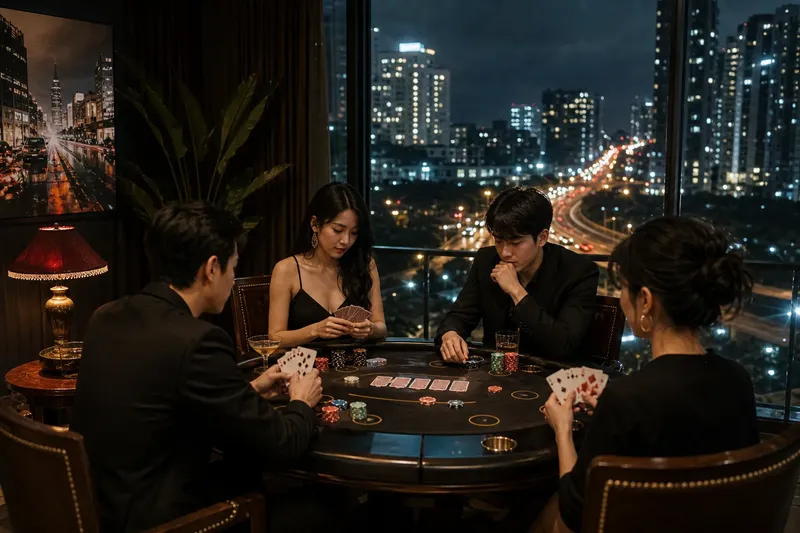
What are people actually saying when they mention Cầu Giấy casino culture? The phrase can describe a screen story, a themed social occasion or a conversation about leisure, and those meanings are easy to blur. A careful account separates what a work depicts from what a source confirms about the district.
Screen settings
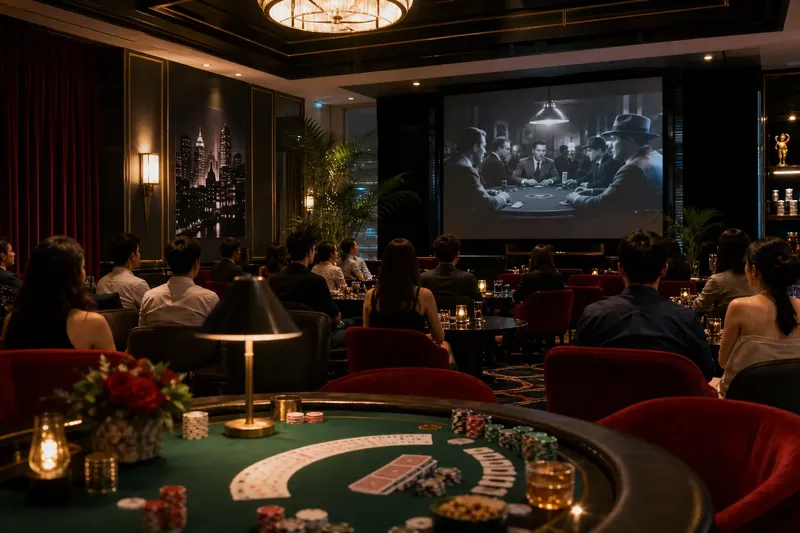
A place name in a film, series or online clip can establish mood without documenting local life. The scene may use a recognisable Hanoi district as shorthand for a night out, while its room, characters and activity are entirely invented. Treat the work as a portrayal, not evidence about actual venues or residents.
When writing about a scene, note what the audience can see or hear: a spoken place name, a sign, a card table or a character’s description. Then distinguish those details from anything supplied by the production or a reliable local source. If no source identifies a real address, do not attach one.
Leisure language
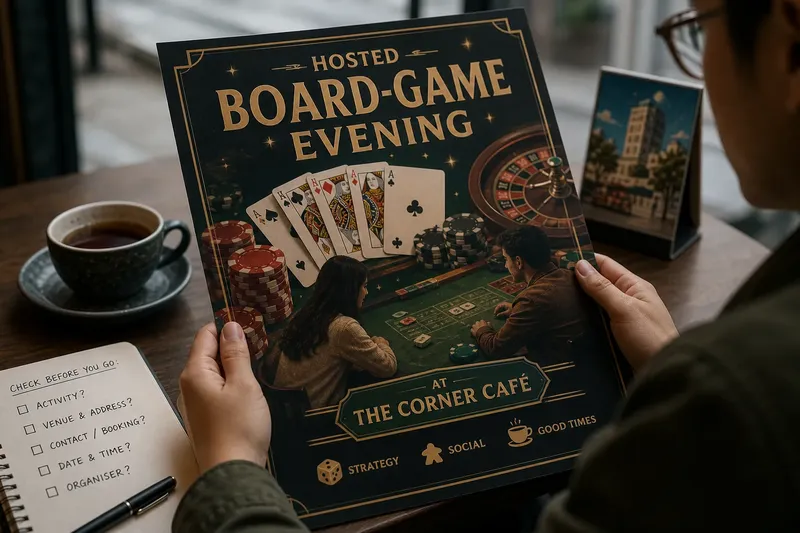
Casino-style can refer to visual choices such as playing cards, dramatic lighting or a game-inspired dress code. It does not, on its own, tell you whether an event includes gambling, wagers or prizes. A listing should name the activity its organiser actually describes rather than let the theme stand in for the rules.
This distinction also helps with reviews. A reviewer can say that an event borrows casino imagery, then separately explain whether guests played a social game, watched a performance or took part in another activity. If money or regulated gambling is involved, do not infer what is permitted from décor or promotional language; check current official guidance or consult a qualified local professional where needed.
Local references
Cầu Giấy can enter a story or a leisure conversation in several ways: as a named setting, as the stated location of an event, or as a loose signal of place. These are different claims. A headline alone may not show whether an event took place there, and a fictional scene does not establish a local custom.
For an event listing, rely on the organiser’s confirmed details. For a screen portrayal, describe what appears in the work and identify it as fiction or dramatisation where appropriate. If the connection to Cầu Giấy is only a line of dialogue, say that the work names the district; do not turn the reference into a claim about its nightlife.
Questions about context?
Does casino-style mean gambling?
No. It may describe a theme or visual style, so check the event’s own description for any mention of wagers, payments or prizes. If those details are unclear, ask the organiser rather than guessing.
Can a screen scene confirm a local venue?
Not by itself. A scene may use an invented location or a real place altered for filming, so name a venue only when a credible source identifies it.
How can I describe an ambiguous listing?
Use the organiser’s exact description for the event and state what remains unconfirmed. If the format or participation rules are missing, request those details before presenting the listing as a particular kind of activity.
What if money is involved?
Clarify what participants pay, wager or may receive, and do not assume the activity is lawful from its title. For a legal question, consult current official guidance or a qualified local professional.
A worked description
Say you are editing an invented listing with these starting details: it is titled “Casino Night in Cầu Giấy”; it mentions one card-themed gathering; it gives no confirmed venue; and it says nothing about payments, wagers or prizes. First, keep the title as a quotation rather than treating it as verified fact. Next, ask the fictional organiser to confirm the venue and whether the cards are for a social game or an activity involving money. If the organiser replies that it is a casual card-themed gathering at a named venue and no money is involved, describe those confirmed details plainly. If the venue remains unconfirmed, omit it; if the organiser says money is involved, describe that accurately and seek appropriate guidance before making claims about legality.
Editorial checks
- Source of the place name: Check whether Cầu Giấy appears in dialogue, a confirmed event listing or a named address. If it is dialogue only, call it a screen reference; if a source confirms an address, report that source’s specific location.
- Type of material: Check whether you are describing fiction, promotion or a report. If it is fiction, frame details as portrayal; if it is a report or listing, attribute claims to the named source.
- Activity wording: Check whether the source says social game, performance or another activity. If it names one, use that term; if it does not, ask for clarification instead of calling it gambling.
- Money terms: Check for stated payments, wagers and prizes. If the source says none are involved, describe that limited information; if any are mentioned or the terms are missing, clarify them and seek qualified guidance where relevant.
- Venue status: Check whether an organiser or credible source confirms the venue. If confirmed, use the supplied name; if not, leave the venue unnamed and do not infer an address from atmosphere.
- Local connection: Check what specifically links the material to Cầu Giấy. If the source provides a location or explicit setting, state that connection; if it offers only a place name or mood, describe it as a reference rather than a portrait of local life.
For clear writing about Cầu Giấy casino culture, keep the source visible: a screen portrayal tells readers what a story imagines, while a confirmed listing tells them what an organiser says is planned. That distinction preserves the local reference without asking it to prove more than it can.