A Leisure Plan with More Than One Kind of Evening
A leisure plan with more than one kind of evening helps you choose an anchor, keep an alternative optional and end the night without a last-minute scramble.

What kind of evening in Cầu Giấy will suit you once you are out of the house? A leisure plan with more than one kind of evening gives you a main activity and a distinct alternative, without turning either into an obligation.
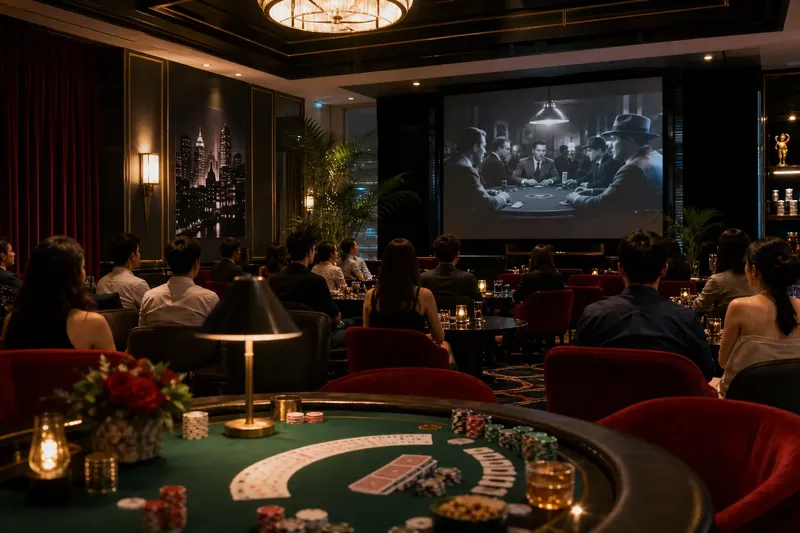
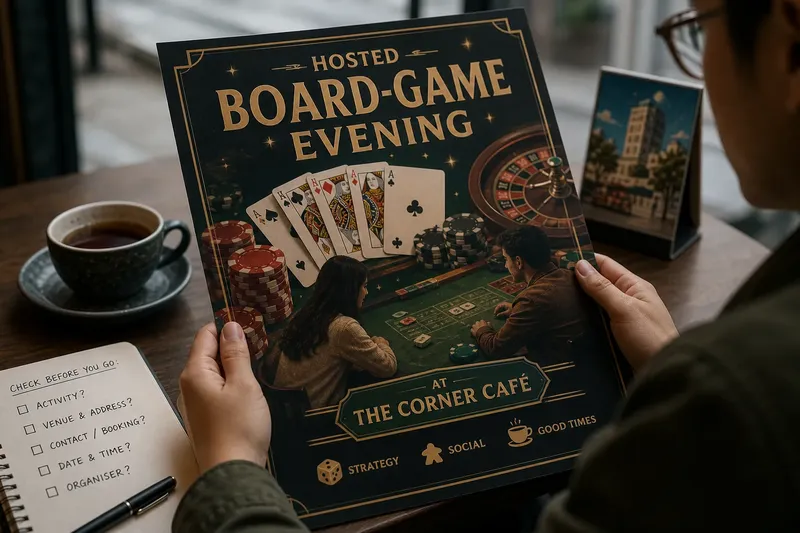
That matters when casino-style entertainment is one possibility among dinner, a film or a café. The point is not to fit everything into one outing. It is to decide what would make the night feel worthwhile, then leave room for people to change their minds.
Choose an anchor
Pick the activity that gives the evening its shape. It could be a meal with friends, a film, a live performance or a visit to a casino-style venue. Think about what you want from the outing: conversation, atmosphere, a show or games.
Keep the anchor distinct from the rest of the plan. If a lively room appeals to you, make that the main event rather than assuming everyone will want to continue elsewhere afterwards. If you would rather talk, a meal or café visit may be a better starting point.
Set a different pace
Choose an alternative that feels lighter or calmer than the anchor. After a busy venue, you might want a quiet drink or a walk in a public area. After dinner, the group might fancy dessert or a casual game.
Make the alternative optional, not another appointment. A second booking can make a flexible evening feel like a schedule to keep. A simple idea is enough; the group can decide later whether it still appeals.
Agree on the mood
People may imagine different nights when they hear “casino-style entertainment”. One person might be drawn to the atmosphere and games; another may want a quiet place to catch up. Ask everyone to choose between broad moods, such as lively or relaxed, before settling on the shared activity.
Say you and two friends are choosing an evening in Cầu Giấy. One prefers games and a buzzy setting, while another wants conversation. You agree to meet for a meal first, then decide together whether to visit a livelier venue or stay somewhere quieter. The result is a shared starting point and a genuine choice about what comes next.
Shape the evening
Use a loose rhythm: arrive, enjoy the main activity, pause, then choose whether to continue. A break for tea or a snack gives everyone a moment to check how they feel. Leave enough flexibility that a slow meal or an absorbing event does not make the next idea feel like a missed appointment.
It can help to name a natural stopping point before you go. You might leave after the meal, when a performance ends or once you have had enough of the activity. If casino-style entertainment involves gambling, set personal boundaries around time and spending, follow venue rules and step away if it stops feeling manageable. Seek appropriate support if gambling becomes difficult to control.
Choose the right setting
Think about what the setting offers and what you actually want from it. A bright, busy room may suit a social outing; a quieter space may make conversation easier. Venue descriptions can clarify whether the focus is games, food, a show or simply an atmosphere with casino-style décor.
Do not assume that décor tells you what participation involves. A visit can centre on a meal or time with friends, and nobody needs to take part in games. Choose an activity that fits your interests and comfort, rather than the image suggested by the room.
Questions about your plan?
How do I choose the main activity?
Start with the mood you want and who is joining you. Choose the activity that best fits, then treat other ideas as optional.
What makes a useful alternative?
Pick something that changes the pace without demanding much preparation. It should feel easy to decline if the group is ready to head home.
How can friends settle on one plan?
Ask each person whether they prefer a lively or relaxed evening. Agree on one shared starting activity, then leave the next choice until later.
When is it time to stop?
Stop when the planned activity feels complete or someone is ready to leave. Continuing is not necessary for the outing to have been worthwhile.
Leave room to change
A good plan supports the evening rather than dictating it. If the anchor is enough, finish there; if everyone still has energy, try the alternative. If neither idea fits, choose a quieter option or head home.
For a leisure plan with more than one kind of evening in Cầu Giấy, the useful balance is a clear shared activity, a different pace in reserve and permission to stop. That leaves the group free to respond to the night they are actually having.